
Vertical vs. Horizontal Basement Wall Cracks: What St. Louis Homeowners Need to Know in 2026
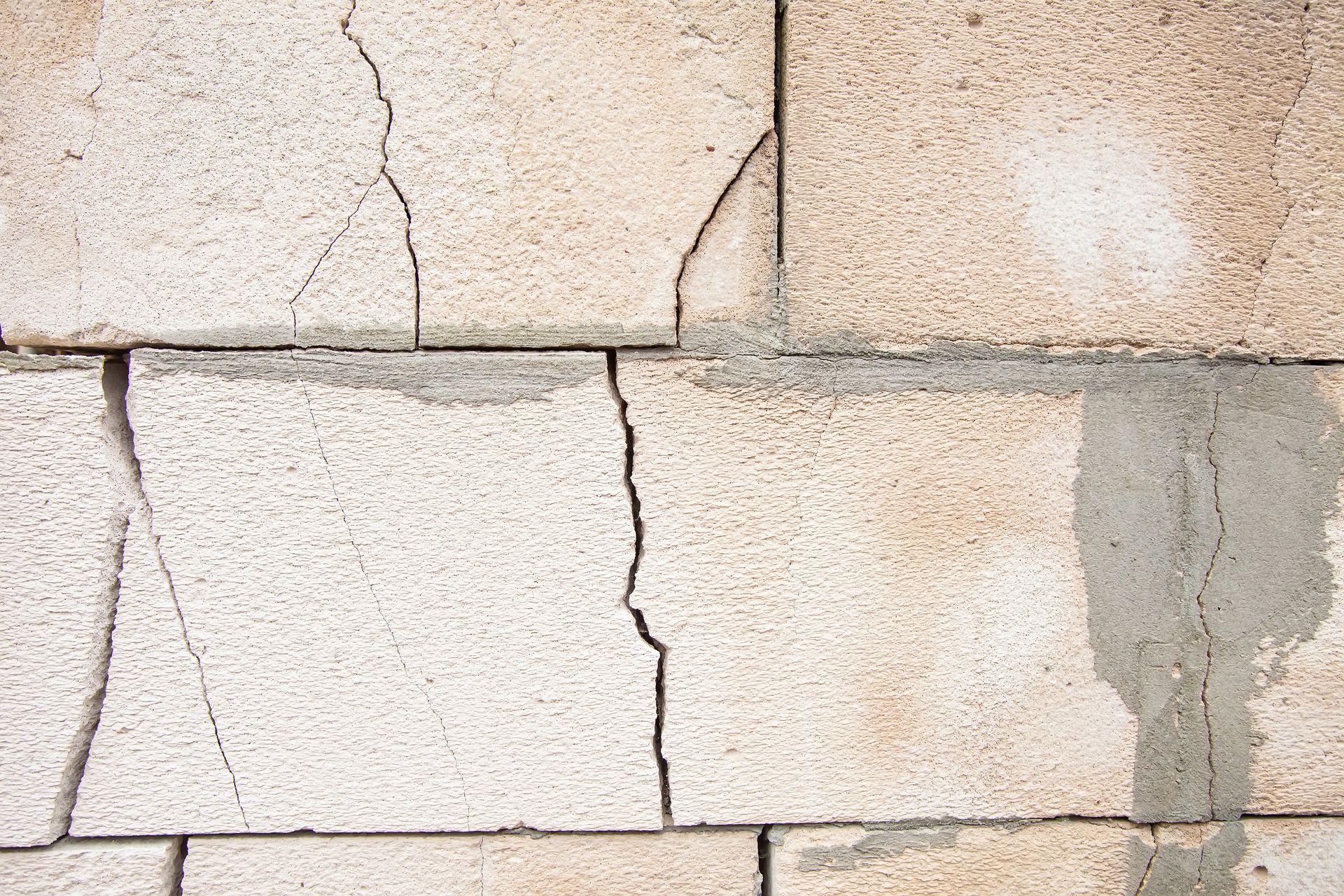
Not all basement wall cracks signal the same level of danger, and knowing the difference between vertical, horizontal, and stair-step cracks can help St. Louis, MO, homeowners make smarter decisions about repairing basement wall cracks before a minor issue becomes a major one.
Vertical Cracks: Common but Worth Monitoring
Vertical cracks run straight up and down the wall and are the most frequently seen type in poured concrete basements. They often result from concrete curing and shrinking after a home is built. While they may seem alarming, vertical cracks are generally less structurally serious than other types. That said, they still create a path for water to enter and should not be ignored.
In St. Louis, MO, the region's dramatic freeze-thaw cycles play a big role. When temperatures swing between freezing and thawing, water trapped in a hairline crack expands and contracts repeatedly, widening a crack that started out thin enough to overlook. Epoxy or polyurethane injection is a common basement wall crack repair method, sealing these cracks from the inside without excavation.
What Makes Horizontal Cracks So Dangerous?
Horizontal cracks are the most serious type and often signal a structural problem that needs prompt attention. These cracks run side to side and typically indicate that outside soil pressure is pushing inward on the foundation, or that the wall has begun to bow or lean.
St. Louis-area soils contain significant clay, which expands when it absorbs moisture and contracts during dry spells. This continuous swelling and shrinking creates ongoing lateral pressure against basement walls. Horizontal cracks left unaddressed can lead to wall failure. Wall stabilization with steel beams or carbon fiber straps may be necessary to stop further movement.
Stair-Step Cracks in Block Foundations
Stair-step cracks follow the mortar joints of concrete block walls in a diagonal, stair-like pattern. These are common in older St. Louis homes built with block foundations and often point to settling or shifting soil beneath the foundation. They can allow significant water infiltration and may worsen over time if the underlying soil issue is not addressed. Scheduling a basement wall crack repair evaluation early gives homeowners the best chance of preventing escalation.
How Can I Tell If a Crack Needs Professional Repair?
If a crack is wider than a quarter of an inch, is growing, or is accompanied by water seepage or a musty odor, it warrants a professional evaluation. Any horizontal crack should be assessed promptly, regardless of width.
Is Basement Wall Crack Repair Covered by Homeowner's Insurance?
Coverage varies by policy and cause. Sudden structural damage may be covered, but cracks caused by gradual settling or soil pressure are often excluded. Contact your insurance provider directly to understand your specific coverage.
Get Expert Help Serving St. Louis Homeowners
Repairing basement wall cracks in St. Louis, MO, requires an eye for the local conditions that drive foundation stress, including clay-heavy soils and harsh seasonal temperature shifts. Crackstoppers Foundation Repair & Waterproofing has served St. Louis and surrounding areas since 2007, offering professional basement wall crack repair with a transferable lifetime warranty on all repairs.
Do not wait for a small crack to become a costly structural problem.
Contact the team today for a free estimate, or call
(636) 262-8458 to schedule your inspection. You can also find and review
Crackstoppers Foundation Repair & Waterproofing on Google.





