
What Causes Foundation Cracks in St. Louis Homes? Clay Soil, Freeze-Thaw & Hydrostatic Pressure Explained
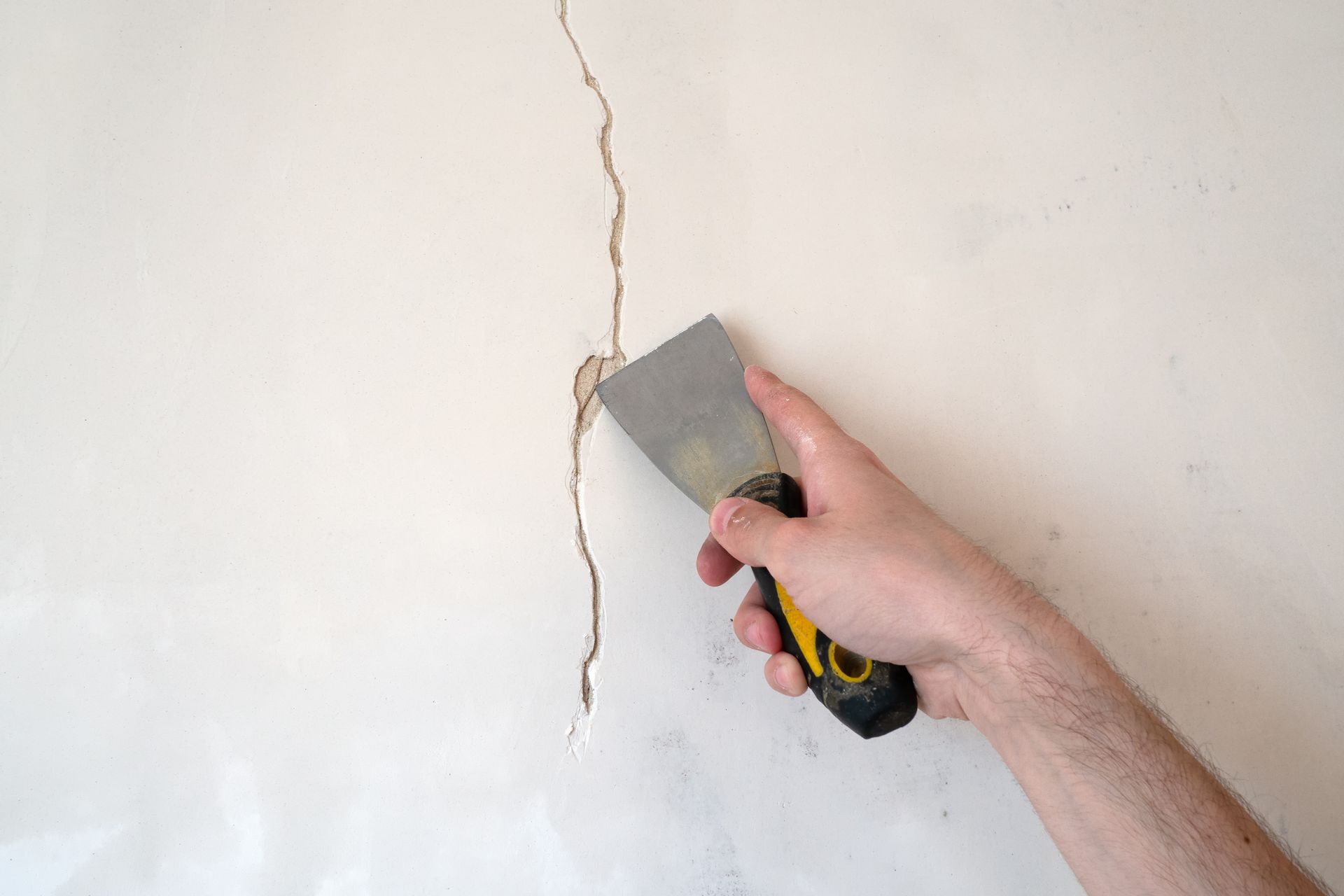
Three forces quietly work beneath St. Louis, MO, homes, and understanding them can help you recognize when basement foundation crack repair may be necessary before minor issues become major problems. Clay soil movement, freeze-thaw cycles, and hydrostatic pressure are the leading causes of foundation cracks in St. Louis County and St. Charles County, and each behaves differently depending on where your home sits.
How Does St. Louis Clay Soil Cause Foundation Cracks?
Expansive clay soil is the most common driver of foundation cracking in the greater St. Louis area. Clay-heavy soil swells when wet and shrinks when dry. During a rainy spring, it expands and pushes against basement walls. During a dry summer, it pulls away, leaving gaps beneath footings. This constant movement creates stress that eventually causes visible cracks. In St. Louis County neighborhoods like Florissant, Chesterfield, and Webster Groves, heavy clay content is especially prevalent. In St. Charles County, areas such as O'Fallon and St. Peters also deal with compacted fill clay on newer developments, which can settle unpredictably even on recently built homes.
What Do Freeze-Thaw Cycles Do to a Foundation?
St. Louis winters deliver repeated freeze-thaw swings that are surprisingly punishing for concrete. Water seeps into hairline cracks, expands when temperatures drop, then contracts and leaves small voids behind. Repeat that process dozens of times across a single winter and small cracks grow wider. St. Louis averages more than 100 freeze-thaw events per year, more cycles than many colder northern cities that maintain stable snow cover all season, giving this region's foundations a particularly difficult challenge.
Hydrostatic Pressure: The Hidden Force Behind Bowing Walls
Hydrostatic pressure forms when water builds up in the soil surrounding a foundation. When gutters overflow, grading directs runoff toward the house, or soil becomes fully saturated after heavy rain, water accumulates around foundation walls and pushes inward. This pressure can cause horizontal cracks, bowing walls, and seepage through the base of basement walls. Left unaddressed, a wall may eventually buckle. Poor drainage is a frequent contributing factor, particularly in older St. Louis County homes where original grading has settled over decades.
Warning Signs That a Crack Is Getting Worse
Certain signs suggest a worsening problem that warrants a professional inspection for basement foundation crack repair in St. Louis, MO:
- Cracks wider than a quarter-inch or growing over time.
- Horizontal cracks, which may indicate serious wall pressure.
- Stair-step cracks in block or brick foundations.
- Water intrusion or damp spots near a crack after rain.
- Doors and windows sticking or misaligning.
Why DIY Patching Often Falls Short
Hardware store fillers may seal the surface temporarily but do not address the underlying cause. If soil movement or hydrostatic pressure continues, a patched crack will reopen. Professional basement foundation crack repair using epoxy injection or polyurethane foam injection fills the crack from the inside out, creating a bond that holds through seasonal soil movement. Carbon fiber reinforcement may also be added for walls showing signs of inward movement.
Ready to Protect Your St. Louis Home's Foundation?
If you have spotted cracks or noticed moisture in your basement, a professional evaluation is the right first step. We have served St. Louis and St. Charles County since 2007, specializing in basement foundation crack repair using epoxy and polyurethane injection, with our owner on-site at every job and transferable lifetime warranties. Call (636) 262-8458 to schedule an estimate, or contact our team online to get started. Find Crackstoppers Foundation Repair & Waterproofing on Google Maps.





